Why Bass Strike Unusual Topwater Lures
The Science of Instability and Why Imperfect Movement Triggers Strikes
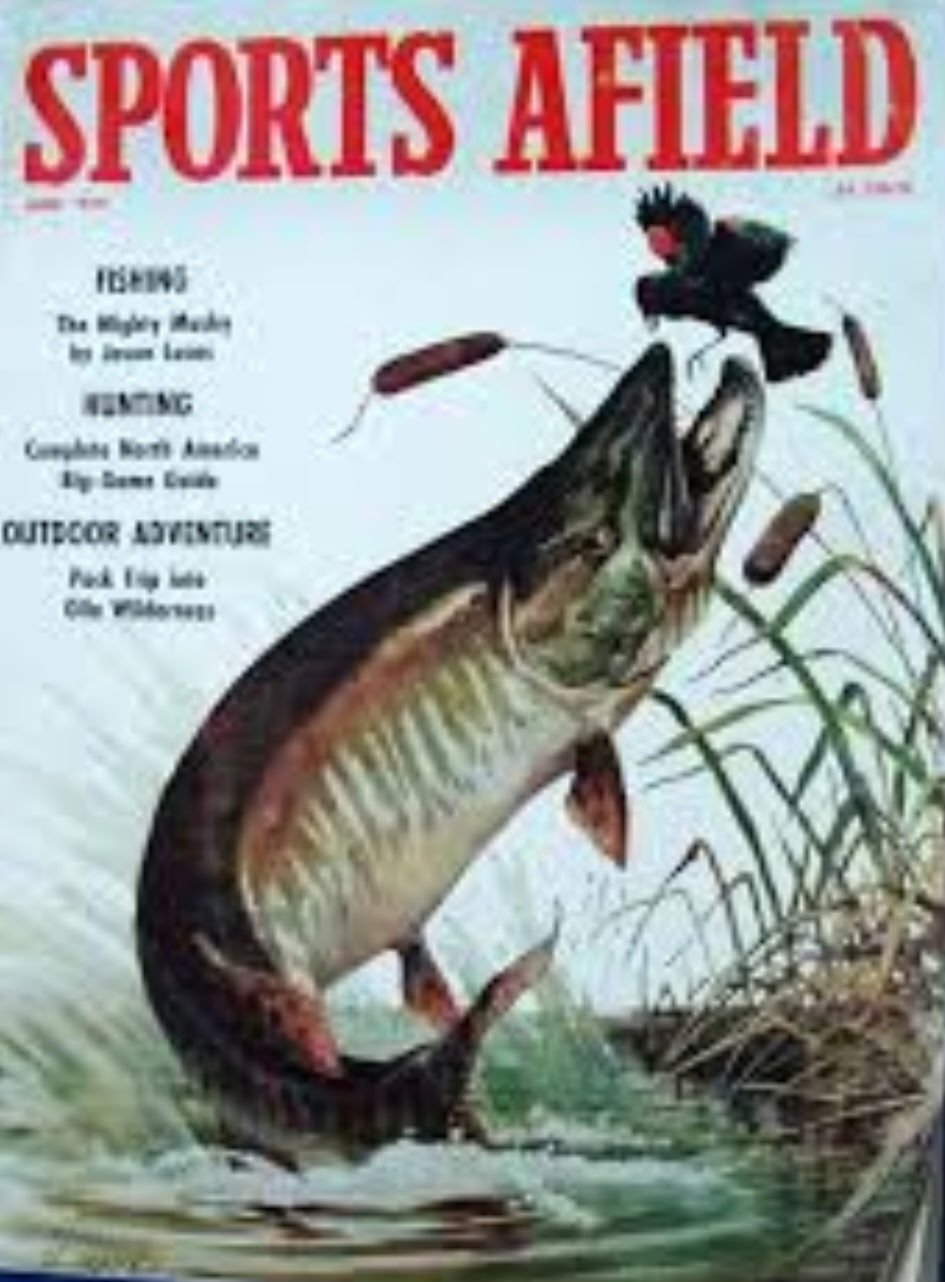
If you spend enough time fishing, you start to notice something strange.
The bait that swims perfectly doesn’t always get crushed.
The one that kicks sideways once in a while?
The one that stalls weird.
The one that looks like it’s barely holding it together?
That’s the one that gets smoked.
At first, you think it’s coincidence.
Then you start testing it.
And eventually you realize — instability isn’t a flaw.
It’s the trigger.
Predators Don’t Want a Fair Fight: Why Bass Attack Injured Prey
Bass are not chasing for sport. They are calculating.
Every strike is a decision:
“Is this worth the energy?”
Healthy prey swims straight and strong.
Injured prey flutters, stalls, and loses balance.
Which one is easier?
In nature, weakness shows up as irregular motion. A bird that falls in the water doesn’t glide smoothly. A frog that’s been clipped doesn’t kick in rhythm. A baitfish that’s stunned doesn’t swim straight.
They pulse.
They stall.
They flare and overcorrect.
That broken rhythm signals vulnerability.
And predators are wired to notice it.
The Lateral Line — What Fish Really “See”
Fish don’t just watch a lure. They feel it.
A bass has a lateral line system that detects changes in water pressure. It senses:
Direction shifts
Sudden acceleration
Frequency changes
Micro-pulses in the water
A smooth retrieve creates a clean, predictable pressure wave.
An unstable twitch?
That creates fluctuating signals.
And fluctuating signals stand out.
To a bass, that instability is like static in a quiet room. It demands attention.
Why Pauses Catch More Fish
There’s a reason jerkbaits, walking baits, and frogs with flare get crushed on the pause.
When something stops after motion, the water settles — but not evenly.
A slight tilt.
A wing that collapses.
A tail that drifts off-axis.
That moment of imbalance is when a predator commits.
It’s not aggression.
It’s opportunity.
Instability Is Hard to Fake
You can design for action.
You can weight for balance.
But instability — the right kind — is tricky.
Too much and it looks unnatural.
Too little and it looks mechanical.
The sweet spot is controlled imperfection.
That’s why lures that collapse, flare, or “hunt” under tension often outperform ones that track perfectly straight.
Perfection is predictable.
Uncertainty feels alive.
What This Means for Bird Lures
When a bird falls into the water, it doesn’t glide.
It struggles.
Its wings flare unevenly.
Its body lists slightly.
Its feet kick out of sync.
That chaos is natural.
If you can build a lure that:
Dives slightly off-axis
Flares on slack
Pulses on the twitch
Regains posture on pause
You’re not just making something realistic.
You’re making something neurologically provocative.
And that’s a different level of design.
Fish Learn Patterns
On pressured lakes, fish see thousands of baits that move the same way.
Steady retrieve.
Same cadence.
Same rhythm.
Instability breaks pattern recognition.
It doesn’t look like every other thing they’ve already ignored.
That’s where the advantage lives.
The Takeaway
Fish don’t key on perfection.
They key on weakness.
They key on irregularity.
They key on the moment something looks like it might not make it.
And if you can engineer that moment — without losing control of the bait — you’re not just designing action.
You’re designing instinct.
That’s the difference.
If you’d like, I can also help you turn this into:
A Flip In The Bird brand blog article
A social caption series
Or a more technical whitepaper-style breakdown for industry insiders
Just tell me the tone you want to lean into.
can you please put in paragraph form with topics inserted in head line as needed please
Absolutely. Here it is in a clean blog format — strong flow, clear headings, natural voice.